

Biomechanical Assessments
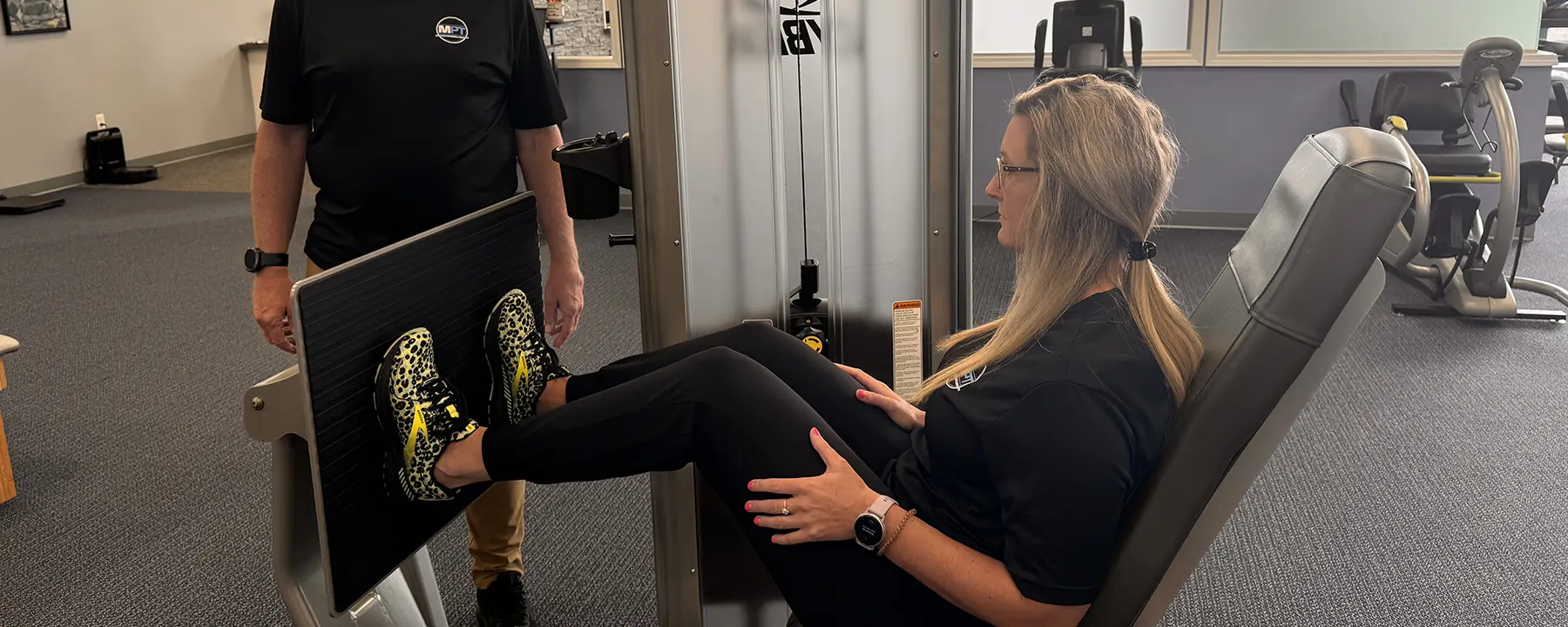
One of the great beauties of physical therapy is the opportunity to undergo an evaluation of how your entire body moves, for better or worse. At Munger Physical Therapy, we use biomechanical assessments to identify areas of the body that need support and develop and administer personalized interventions for optimum mobility and pain reduction.
Contact Us
What Is a Biomechanical Assessment?
A biomechanical assessment in physical therapy identifies dysfunction or imbalance in the body that causes pain or impacts performance. When you visit a physical therapist for treatment, the assessment clarifies if this injury or condition has created additional mechanical complications that have contributed to compounded discomfort.
In other words, the more your physical therapist knows about your body’s movements, the more accurate the diagnosis, recommended treatment, rate of recovery, and movement efficiency. A biomechanical assessment is designed to:
- Evaluate movement patterns.
- Test joint mobility.
- Rate muscle function and length.
- Evaluate posture and gait.
- Assess range of motion.
- Identify sources of pain.
- Diagnose injury or strain.
What to Expect During a Biomechanical Assessment
A human’s mechanical movements can become compromised because of a sports injury, accident, fall, aging, or illness. While the cause of a functional problem is important to take into consideration, your physical therapist prioritizes where you are right now, at the time of your biomechanical assessment and proceeds from there.
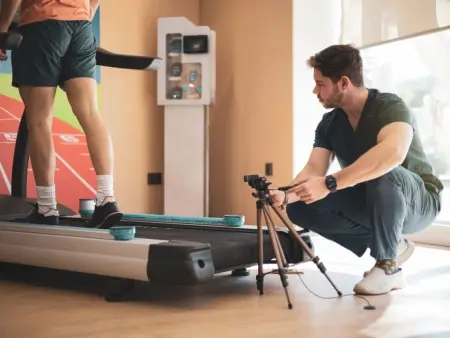
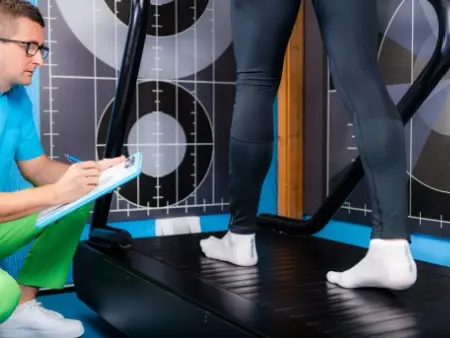
- Observation. A visual analysis occurs first to look at movement, patterns, and gait. This typically requires you to walk back and forth between the therapist and a fixed point as they look for abnormalities or overcompensation.
- Screenings. Basic screens and tests are administered to identify dysfunction and get a good look at movement patterns and fundamental strengths and weaknesses.
- Mobility measurements.Your physical therapist needs to see how you move in the most basic ways – typically when sitting and standing – and uses techniques to assess range of motion, flexibility, stiffness, and areas of pain.
- Dynamic analysis.Athletes in particular who need to lunge, squat, and contort to achieve greatness in their sport are likely to find themselves undergoing a functional evaluation to pinpoint weakness, overactive muscles, and any asymmetry.

How a Biomechanical Assessment Influences Physical Therapy
Once your biomechanical assessment is complete, it’s time to implement the knowledge and help you reinvigorate your body, encourage movement in its proper form, and keep your joints and muscles healthy from here on out. Some of the physical therapy techniques that may follow an assessment are intended to:
- Correct posture.
- Balance muscle.
- Retrain movement patterns.
- Minimize stress on weak areas.
- Prevent injury.
- Improve performance.
- Boost joint mobility.
- Enhance flexibility.
Get Complete Biomechanical Assessments at Munger PT
An assessment of any sort is just that – an assessment. The main reason to work with a trained physical therapist is to:
- Be evaluated, monitored, and corrected at every interaction.
- Allow a physical therapist to monitor progress.
- Adjust treatment plans according to a person’s needs.
- Tweaking treatment if you are progressing quickly or struggling to find strength and motivation.
At Munger Physical Therapy, we move at a safe pace for you, your body, your limitations, and your injuries. We motivate our patients to do their best while being gentle to themselves, always striving to maintain at the very least. Setbacks happen, and sudden successes do too. Our team is ready for every possible eventuality.
We know how the body is supposed to move, and how it can sometimes let you down. At Munger PT, we strive to get you to where you’re meant to be – moving optimally and without pain. Contact us to schedule a biomechanical assessment.
Contact Us